Anne
Anne
Understanding the Body’s Defence Mechanisms in Dental Emergencies
When a dental emergency strikes, the body immediately springs into action with a sophisticated array of protective responses designed to prevent further harm and initiate healing. Whilst these biological mechanisms have evolved over millennia to protect us from injury and infection, they can paradoxically create significant challenges for an emergency dentist Wakefield attempting to provide urgent care. The inflammation, swelling, and pain that characterise the body’s natural healing response, though protective in nature, often obscure the underlying problem and complicate treatment procedures that require precision and clear visibility.
The relationship between emergency dental care and the body’s inflammatory response represents one of the most fascinating contradictions in modern dentistry. A patient seeking help from an emergency dentist might arrive with a severely swollen jaw, making it difficult for the practitioner to assess the extent of damage or infection. This swelling, whilst serving to isolate the affected area and deliver immune cells to fight infection, can transform a straightforward procedure into a considerably more complex undertaking.
The Inflammatory Response and Treatment Accessibility
Inflammation serves as the body’s first line of defence against dental trauma or infection, flooding the affected area with blood, immune cells, and protective fluids. However, this same response creates a challenging environment for emergency dental interventions. The increased blood flow to the region makes procedures more prone to bleeding, whilst the tissue swelling can make it physically difficult to access the tooth or surrounding structures that require immediate attention.
Swelling and Anaesthetic Complications
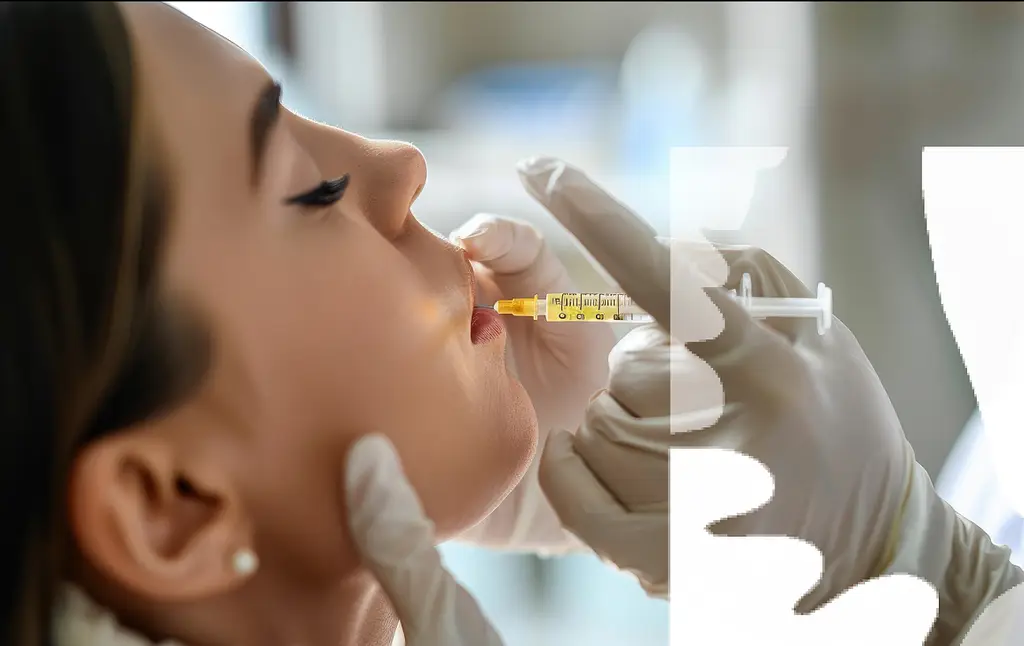
One of the most significant complications arising from the body’s healing response involves the administration of local anaesthesia. When tissues become inflamed and swollen, their pH levels change, typically becoming more acidic. Local anaesthetics function optimally in alkaline environments, meaning that inflamed tissues can render these medications significantly less effective. Dentists often need to use higher doses or alternative techniques to achieve adequate numbness, and in severe cases, managing dental swelling and infection may require antibiotic therapy before definitive treatment can proceed.
Pain Perception and Treatment Timing
The body’s pain response, whilst alerting patients to seek urgent care, can also complicate the treatment process itself. Heightened nerve sensitivity in inflamed tissues means that even properly anaesthetised areas may retain some sensation, requiring dentists to work with exceptional care and patience. This increased sensitivity often necessitates a more gradual approach to treatment, potentially extending the duration of emergency appointments and requiring multiple visits to complete procedures that might otherwise be accomplished in a single session.
Immune Response and Infection Control
The immune system’s vigorous response to dental infections presents another layer of complexity for emergency treatment. Whilst white blood cells work to combat bacterial invasion, the resulting pus formation and tissue destruction can spread infection to adjacent areas, making it challenging to determine the precise boundaries of the affected region. Understanding what constitutes a genuine dental emergency helps patients seek timely intervention before these complications escalate beyond manageable levels.
Blood Clotting and Surgical Procedures
Following tooth extractions or other surgical interventions, the body’s clotting mechanisms are essential for healing. However, this same response can create difficulties during the procedure itself. Excessive bleeding from inflamed tissues obscures the surgical field, whilst the body’s tendency to form clots rapidly can interfere with the dentist’s ability to thoroughly clean and treat infected areas. Practitioners must balance the need for thorough treatment with respect for the body’s natural healing processes.
Working With Nature Rather Than Against It
Modern emergency dentistry has evolved to work in harmony with the body’s natural responses rather than fighting against them. Dentists now employ sophisticated techniques to manage inflammation before treatment, use medications that account for altered tissue chemistry, and time interventions to coincide with optimal healing conditions. Patients experiencing complications following dental procedures can benefit from understanding how their body’s protective mechanisms influence recovery and subsequent care requirements.
The interplay between biological healing responses and emergency dental treatment continues to challenge practitioners whilst simultaneously demonstrating the remarkable sophistication of human physiology. By recognising these natural processes as both allies and obstacles, dental professionals can provide more effective emergency care whilst respecting the body’s innate wisdom in protecting itself from harm.