Anne
Anne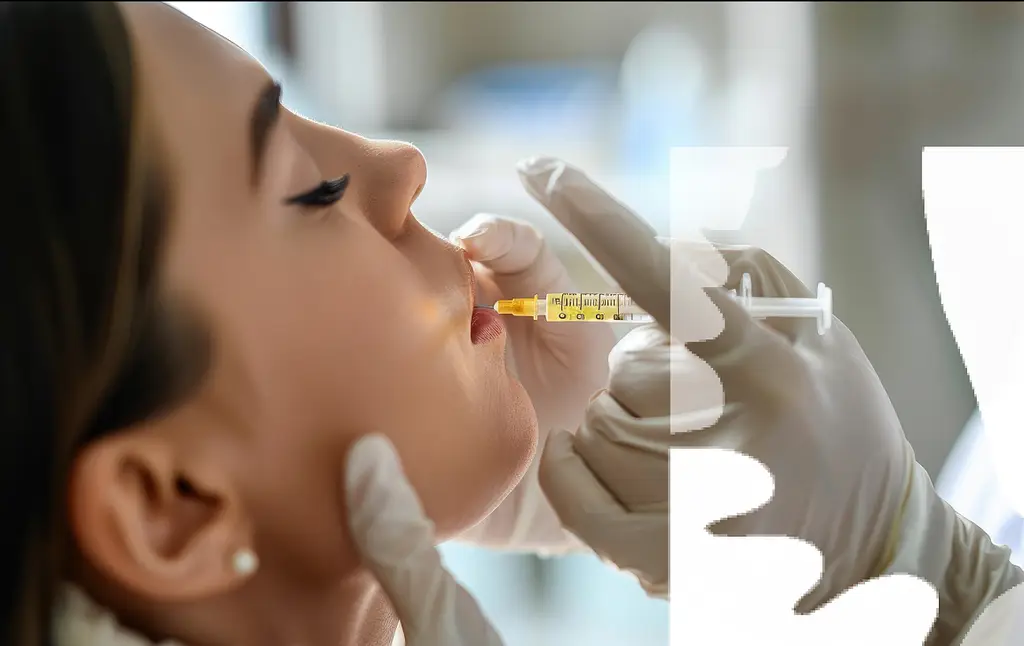
The Evolution of Comprehensive Aesthetic Dentistry
Cosmetic dentistry has evolved significantly in recent years, with a growing emphasis on a more holistic approach to facial aesthetics. Modern dental practitioners now recognise that achieving optimal veneer results involves more than just precise tooth preparation and placement—it also requires consideration of overall facial harmony and muscle function.
As part of this broader approach, botulinum toxin is increasingly used alongside cosmetic dental treatments to refine aesthetic outcomes. When administered by qualified professionals, it can help manage muscular activity that affects facial expression and smile balance, supporting more refined and natural-looking results.
This combination of dentistry and facial aesthetics reflects a shift towards comprehensive treatment planning. Patients interested in enhancing their smile and facial appearance can explore options such as botox Tunbridge Wells with a suitably trained dental professional.
Understanding the Relationship Between Facial Muscles and Veneer Aesthetics
The success of cosmetic veneers depends not merely on their craftsmanship but also on how they interact with the dynamic movements of facial musculature. When patients smile, speak, or express emotion, the muscles surrounding the mouth exert considerable influence on how veneers are displayed. Hyperactive lip muscles can create excessive gingival show, whilst tension in the perioral region may limit the visibility of beautifully crafted dental work. These muscular patterns can undermine even the most expertly designed veneer cases, leaving both practitioner and patient dissatisfied with results that appear flawless in static assessment but problematic during natural facial animation.
The Gummy Smile Conundrum
One of the most common challenges facing cosmetic dentists involves patients who exhibit excessive gingival display when smiling. This condition, colloquially termed a “gummy smile,” occurs when the upper lip elevates beyond the optimal aesthetic position, revealing an disproportionate amount of gum tissue. For patients investing in premium veneer treatment, this muscular overactivity can detract significantly from the intended outcome, drawing attention away from the newly enhanced teeth towards the gingival architecture instead.
Muscle Relaxation for Optimal Display
Strategic muscle relaxation treatments allow dentists to modify the dynamics of lip elevation, ensuring that veneers are displayed in the most flattering manner possible. By carefully targeting the levator labii superioris and associated muscles, practitioners can reduce excessive gingival show whilst maintaining natural facial expression. This refinement proves particularly valuable for patients who have invested considerably in premium veneer work, as it ensures their new smile occupies centre stage during social interactions. The clinical applications of botulinum toxin in dentistry have been well documented in professional literature, demonstrating both efficacy and safety when administered by appropriately trained dental professionals.
Protecting Veneer Longevity Through Muscular Intervention
Beyond immediate aesthetic considerations, muscle relaxation treatments offer protective benefits that extend the functional lifespan of veneer restorations. Patients who exhibit parafunctional habits such as bruxism or excessive clenching place considerable stress upon their dental work. These forces can lead to premature veneer failure, including chipping, fracturing, or debonding. By reducing the intensity of muscular contractions in the masseter and temporalis muscles, dentists can create a more favourable biomechanical environment for delicate ceramic restorations.
This protective approach represents sound clinical practice, as it addresses the underlying causative factors rather than merely responding to symptomatic damage. Patients seeking Botox Tunbridge Wells treatments as part of their comprehensive dental care often appreciate this preventative dimension, recognising the value in safeguarding their aesthetic investment through proactive intervention.
The Integration of Complementary Aesthetic Modalities
Progressive dental practices now recognise that exceptional veneer outcomes require consideration of the entire perioral aesthetic zone. When Botox serves as an adjunct to dental treatments, it enables practitioners to address concerns that lie beyond the scope of traditional restorative techniques. Fine lines around the mouth, asymmetrical lip animation, and muscular imbalances can all detract from otherwise exemplary veneer work, yet these issues respond favourably to judicious therapeutic intervention.
Achieving Harmonious Aesthetic Results
The contemporary approach to cosmetic veneer treatment acknowledges that superior outcomes emerge from comprehensive planning that encompasses both dental and facial considerations. By incorporating muscle relaxation techniques into their treatment protocols, dentists can deliver results that satisfy patients on multiple aesthetic levels, ensuring that beautiful veneers are displayed to maximum advantage within a balanced, harmonious facial composition.