Anne
Anne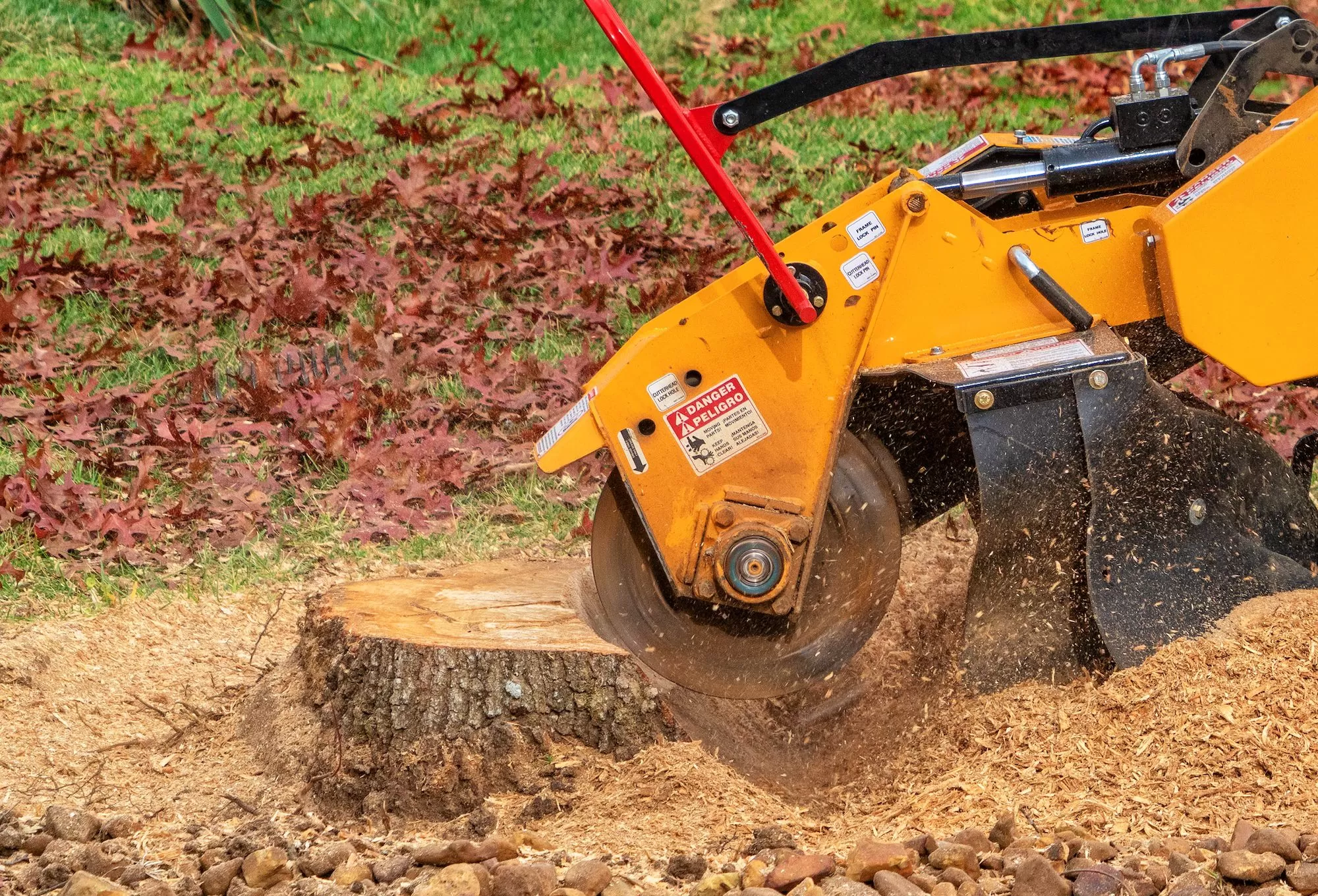
Unused wood left after tree cutting can create concerns around outdoor areas. A remaining stump may slowly break down while attracting unwanted insects seeking shelter. Early action helps keep spaces cleaner while supporting better ground conditions for future use. Proper care also reduces hidden issues that may grow over time. Choosing Stump Grinding Manchester helps address these concerns before they expand further.
Early Signs Of Infestation
Small openings in wood surfaces often suggest growing insect presence. A stump can hold moisture for long periods, creating suitable conditions for unwanted creatures. Activity around decaying wood may increase gradually without immediate notice. Regular inspection helps identify concerns before they spread to nearby outdoor sections.
Moisture Creates Pest Risks
Damp conditions around leftover wood often encourage insect activity. Moisture supports gradual decay, which makes the material easier to enter. Many unwanted creatures seek sheltered spaces where conditions remain stable. Managing excess moisture helps reduce attraction factors across outdoor areas.
Protecting Nearby Structures
Neglected remains may allow pest populations to grow close to fences, paths, or outdoor features. As activity increases, nearby materials can become more vulnerable. Removing unwanted wood supports better protection across the property. Early attention helps limit movement into surrounding sections.
Important Prevention Factors
- Limits access to sheltered spaces used by unwanted insects
- Reduces damp conditions that encourage ongoing pest activity
- Supports cleaner surroundings through proper ground management
- Helps protect nearby features from developing insect concerns
- Encourages stronger outdoor maintenance throughout changing seasons
Can Decay Attract Pests?
Wood decomposition naturally draws many insects searching for suitable environments. Softening material provides easier access to internal spaces where colonies may grow. Continued deterioration can increase activity around nearby structures over time. Addressing the source early helps reduce opportunities for unwanted occupation.
How Does Grinding Support Protection?
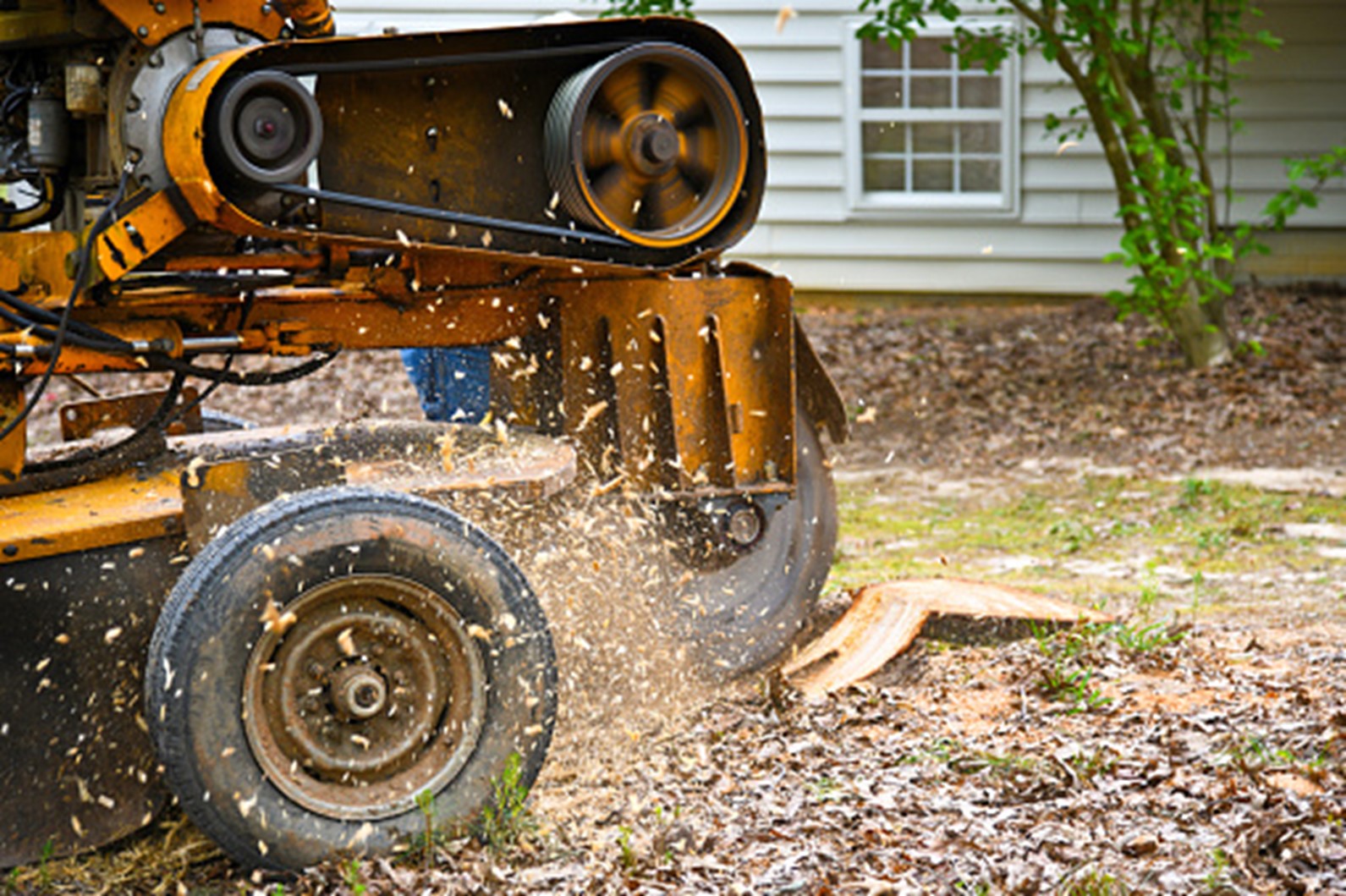
Grinding removes unwanted material below the surface while improving site conditions. This approach limits access to spaces often used by insects for nesting. Stump Grinding Manchester assists with efficient clearing while reducing areas that support continued activity. Cleaner ground conditions contribute to better maintenance across outdoor properties.
- Removes unwanted wood material that may attract insects
- Creates improved ground conditions for future outdoor projects
- Reduces hidden areas where colonies may establish themselves
- Supports long-term upkeep through effective clearing methods
Maintaining Outdoor Property Health
Well-managed outdoor areas often face fewer issues linked with insect occupation. Prompt attention to leftover wood helps support healthier surroundings over time. Consistent maintenance reduces risks while improving the overall condition of open spaces. Careful planning encourages better protection for property features across many years.
Addressing unwanted remains soon after tree removal helps reduce places where insects settle. Proper clearing methods support cleaner land use while improving overall site management. Grinding solutions assist with stronger upkeep practices plus healthier outdoor conditions. Early preventive action remains an effective way to reduce future concerns while supporting long-term property care.
FAQs
What attracts insects toward leftover wood around outdoor areas?
Moisture-rich material provides shelter where insects frequently settle.
How often should remaining wood areas receive routine inspection?
Regular checks help identify concerns before larger issues develop.
Why is grinding preferred for clearing unwanted wood remains?
Grinding removes material efficiently while improving ground conditions.